 Market Access Partner · Malaysia
Market entry
How to reach Malaysian SMEs: a practical guide for companies new to Malaysia
 By Marcus Teoh · Founder, Marcus Teoh Global · October 2026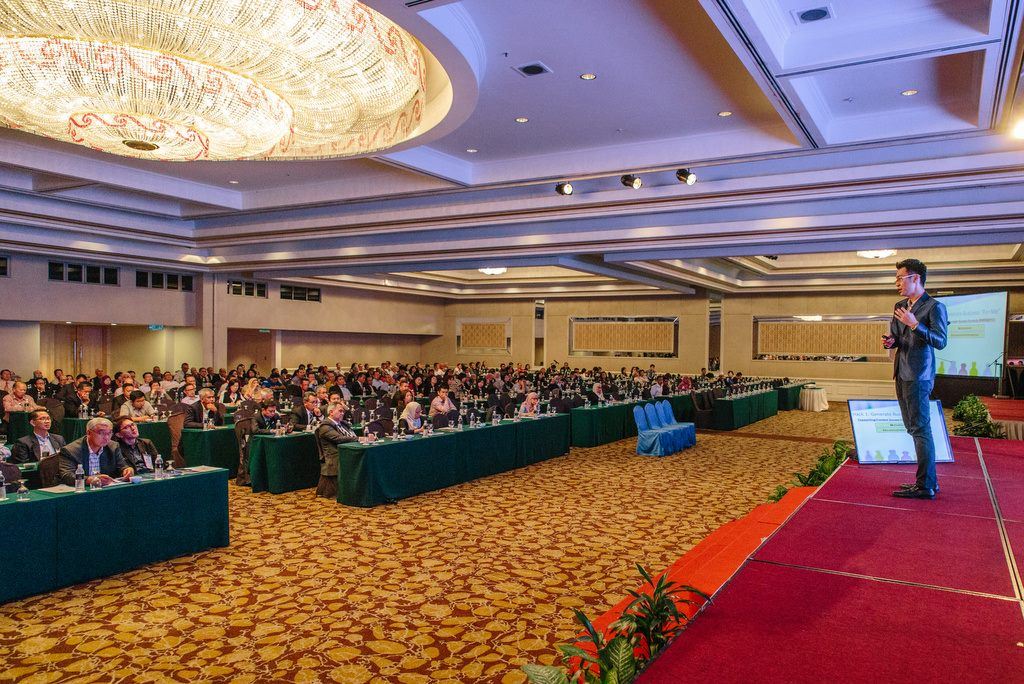
- Malaysian SME owners buy on trust, and trust travels through communities, not ads.
- The most effective channels are business communities, curated programmes, respected local entrepreneurs, aligned partners and multi-city series.
- Give owners a reason to attend that is about their business, then let your brand earn its place inside it.
Every few months I meet a regional or global team that has just arrived in Malaysia with a strong product for small and medium businesses: financing, software, connectivity, insurance, logistics. They've done the market sizing. They've translated the brochure. And six months later, they're wondering why the pipeline is thin.
The product usually isn't the problem. The route to the owner is.
Why ads alone rarely work with Malaysian SME owners
SME owners in Malaysia are time-poor, sceptical of sales pitches and heavily networked. Most important buying decisions start with a recommendation from someone they know: a peer in their association, their accountant, a supplier, a friend from a business community. A paid ad can create awareness. It rarely creates the confidence to sign.
There's also no single "Malaysian SME market". Kuala Lumpur and Selangor behave differently from Penang, Johor Bahru, Ipoh, Kota Kinabalu or Kuching. Language, industry mix and the local business leaders people listen to all change from city to city.
Five channels that actually work
1. Business communities and associations
Chambers of commerce, trade associations, referral networks and alumni groups are where owners spend their trust. I learned this first-hand building a business referral chapter from scratch: we brought more than 300 business owners to a single launch, and the community went on to generate close to RM20 million in referrals in its first year. When a community vouches for you, doors open that no campaign can open.
What to do: identify the 5 to 10 communities that hold your target owners, and offer them something genuinely useful: content, expertise or access. Don't just sponsor a banner.
2. Curated programmes, not product seminars
Owners don't attend product launches. They attend things that help them grow, protect or fund their business. A programme themed around their priorities, with your brand at the centre of the value, draws decision-makers. A seminar about your product draws people who wanted the free lunch.
3. Respected local entrepreneurs
In every city there are business owners whose stories others want to hear. Featuring a "local business hero" gives your event credibility and local relevance, and gives attendees a reason to tell their friends.
4. Aligned partners
Companies that already serve your target owners (banks, telcos, platforms, accounting firms, industry suppliers) are natural co-hosts. A shared programme lowers your cost, widens the audience and borrows trust.
5. A multi-city series under one theme
Isolated events disappear. A national series under one recognisable theme builds momentum: each city creates stories, photos and proof for the next. It also lets you compare cities and double down where the response is strongest.
Anyone can book a ballroom. The hard part is getting the right owners to show up, stay engaged and take the next step with you.
A simple sequence for your first year
- Map: define your ideal SME profile and the communities, partners and cities that hold them.
- Launch: host a curated launch for decision-makers and community leaders, designed as a valuable experience for them.
- Activate: run a multi-city programme or roundtable series that turns introductions into conversations your sales team can follow up.
- Measure: track decision-maker attendance, conversations and follow-ups, not just headcount.
Frequently asked questions
What is the best way for a foreign company to find SME customers in Malaysia?
Work through trusted communities and partners, and create curated programmes that give owners real business value. Pair this with digital channels, but don't rely on ads alone.
How many cities should we cover in year one?
Start with Klang Valley plus two or three cities where your target industries are concentrated, then expand based on results.
If you're planning your Malaysia entry, I'm happy to share who I think you should meet first. Start a conversation